


Home Solarization
A home battery backup for solar panels stores excess daytime solar energy in batteries, providing power at night or during outages, increasing energy independence and resilience, using components like charge controllers and inverters to manage DC/AC flow. Systems range from simple savings-focused batteries to whole-home backup solutions, with capacity (kWh) determining runtime, essential for powering devices when the sun isn’t shining or grid power fails, often integrated with smart technology for optimized use.
How it Works
Energy Capture : Solar panels convert sunlight into Direct Current (DC) electricity.
Conversion : An inverter changes DC power to Alternating Current (AC) for home use.
Storage: Surplus AC power charges the battery, or goes to the grid (with on-grid systems).
Backup Power : During an outage, a hybrid inverter switches to battery power, supplying your home.
Types of Systems
On-Grid (Grid-Tied with Backup): Connected to the grid; can send excess power back (net metering) and use the grid as backup if the battery depletes.
Off-Grid: Completely independent of the utility grid, requiring larger battery capacity.
Savings Battery: Stores energy to use during peak grid hours to lower bills, but offers no blackout protection.
Popular Options
Rana ltd Powerwall : Whole-home backup, integrates with solar, smart energy management.
Solar Home Battery: High-efficiency, DC-coupled, stackable.
Eco Flow Delta Pro Ultra: Modular, DIY-friendly, large capacity potential.
Key Components
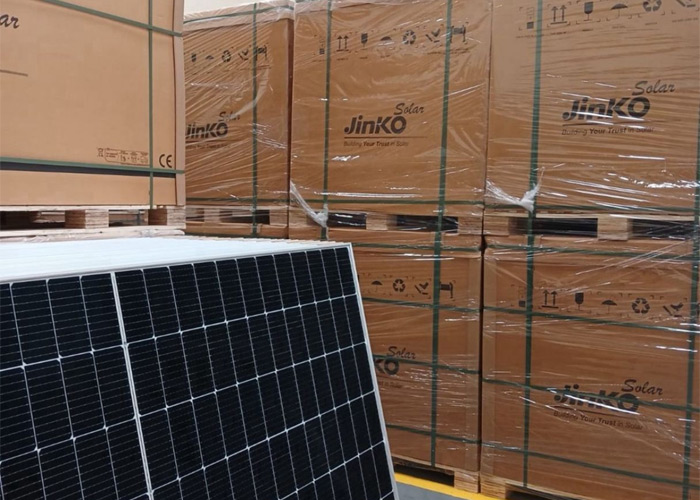
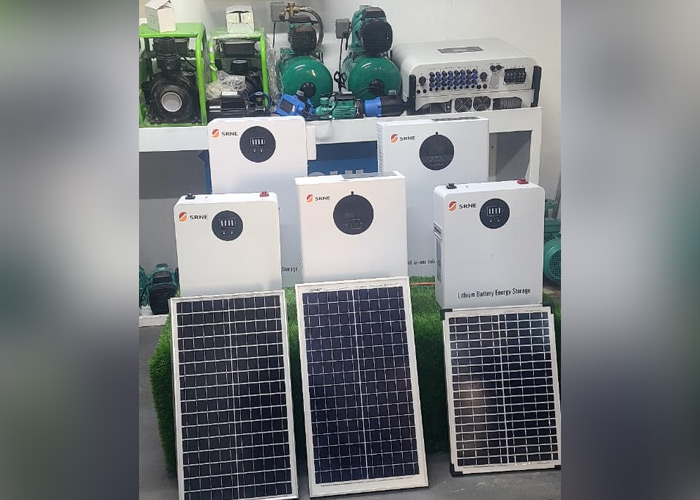
Solar Panels: Generate electricity.
Charge Controller: Regulates power flow to the battery, preventing overcharging.
Inverter: Converts DC to AC; hybrid inverters manage battery/grid/solar seamlessly.
Battery Bank : Stores energy (e.g., Lithium-ion, like Tesla Powerwall, Eco Flow).
Benefits
Energy Independence: Less reliance on the grid.
Resilience: Continuous power during blackouts.
Cost Savings: Use stored solar power at night instead of buying expensive grid power.
Sustainability: Maximizes use of clean solar energy.
Considerations
Capacity (kWh) : Determines how long you can run essential appliances (e.g., 10kWh might last 24 hours for basic needs).
Efficiency: DC-coupled systems (like SolarEdge) avoid energy loss from multiple conversions.
Scalability: Some systems (like Eco Flow) allow adding more modules for more capacity.