


Irrigation Systems
Irrigation system installation involves planning (mapping area, zoning), connecting to a water source (with backflow preventer, filter, regulator), digging trenches, laying pipes , installing sprinkler heads/drip lines, connecting valves, and testing for leaks before backfilling and setting timers for automation. Key steps include determining flow rate, proper sprinkler spacing for head-to-head coverage, and ensuring components like filters prevent clogs
Irrigation system installation involves planning (mapping area, zoning), connecting to a water source (with backflow preventer, filter, regulator), digging trenches, laying pipes , installing sprinkler heads/drip lines, connecting valves, and testing for leaks before backfilling and setting timers for automation. Key steps include determining flow rate, proper sprinkler spacing for head-to-head coverage, and ensuring components like filters prevent clogs
Key Steps for Installation
1. Plan & Design:
Map your area, group plants by water needs , and determine zones for different water requirements,
2. Measure Water Flow:
Time how long it takes to fill a 10-liter bucket to calculate your system's flow rate
3. Connect to Water Source:
Attach the system to your tap, ensuring a water filter and pressure regulator are installed to prevent debris and maintain pressure, say Aqua Hub Kenya and Bunnings.
4. Dig Trenches:
Dig trenches for pipes, ensuring they're deep enough to protect them, according to This Old House.
5. Lay Pipes & Install Components:
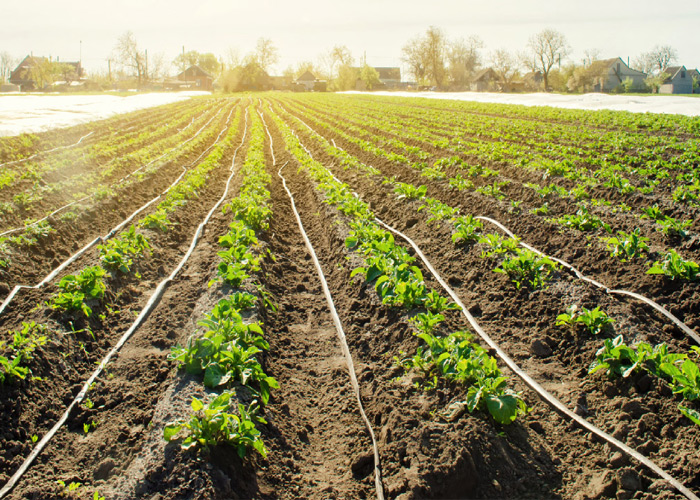
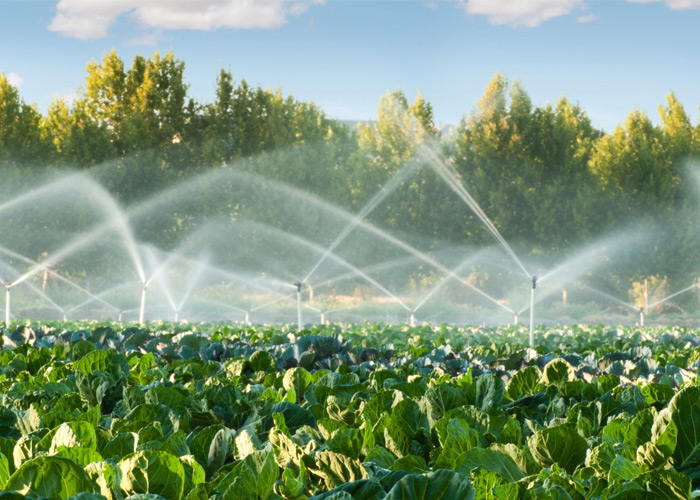
Lay main lines and connect to zone valves, usually grouped in a valve box. Install sprinkler heads or drip lines, ensuring proper spacing for even coverage, Use Teflon tape on threaded connections and secure pipes with stakes or clips.
6. Connect & Test:
Connect the final parts, turn on the water, and check for leaks and proper sprinkler operation before backfilling,
7. Automate:
Attach an automatic timer to the tap for scheduled watering.